

Key Takeaways
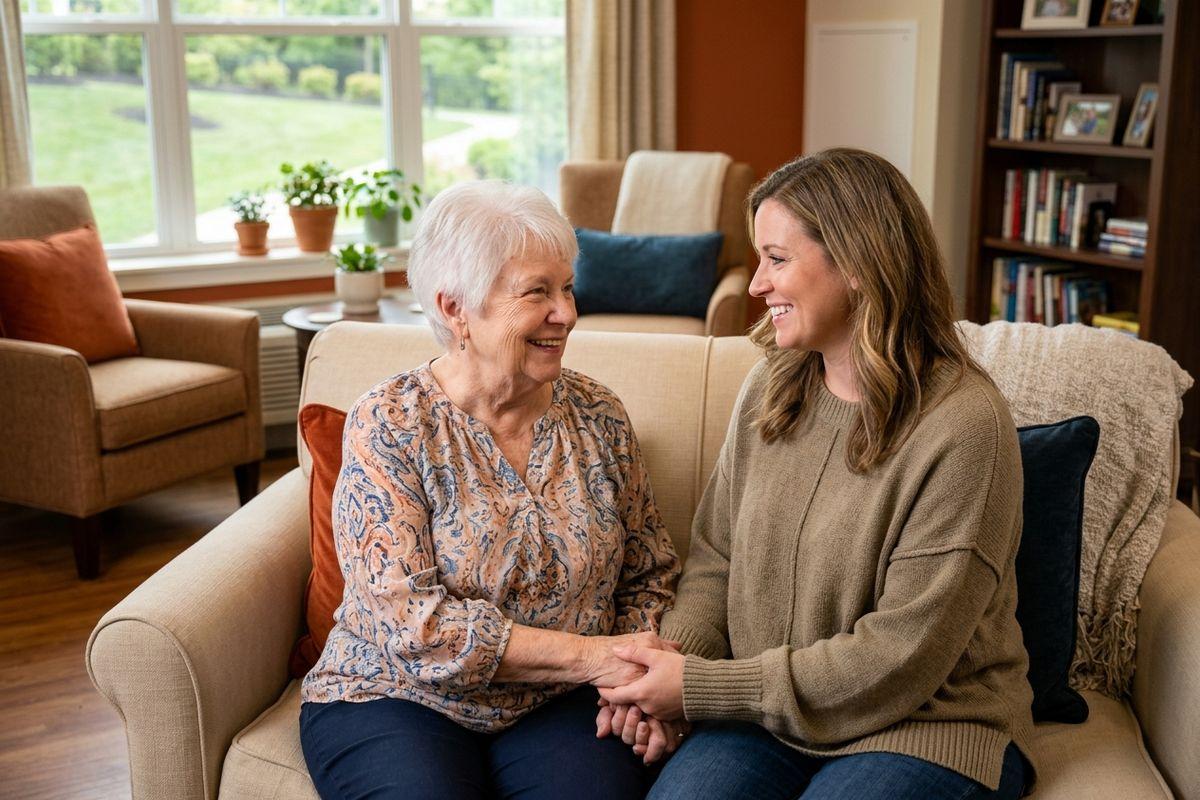
- The first week involves meeting the care team and settling into a new environment
- Adjustment takes time, and the first 3 weeks are often the most emotional for everyone
- Consistent routines, familiar objects, and meaningful activities help your loved one find their footing
- By week 4, small signs of comfort and connection begin to appear and impact daily habits
- Families play a meaningful role in the transition, and support is available for you, too
Your First Month in Memory Care
Moving a loved one into memory care is one of the most emotional decisions a family can make. You might feel relieved, nervous, hopeful, and heartbroken all in the same afternoon. Those feelings are real, and they make sense.
The first 30 days in memory care mark a significant transition, but with the right environment and a team that genuinely cares about getting to know your loved one, that transition can lead to something beautiful.
Here’s an honest look at what those first weeks can feel like, and what to watch for along the way. If you’re still weighing your options, knowing when to move from personal care to memory care can help you feel more confident in the timing.
The First Week: Arrival and Settling In
Day one starts with introductions. Your loved one will meet the care team, and the team will get to know them, reviewing personal routines, preferences, and the little things that make them who they are.
That photo of the grandchildren on the nightstand? It matters. The soft blanket from home draped over the chair? That matters, too.
Familiar items from home can do a lot of quiet work in those early days. They signal safety when everything else feels new. Mixed emotions are completely normal during this time, for your loved one and for your whole family.
What Your Loved One Might Experience
It’s common for someone new to memory care to show increased confusion or restlessness in the first few days. New surroundings take time to feel familiar.
You might notice changes in sleep patterns, appetite, or mood. These shifts are a normal part of adjustment, not a sign that something has gone wrong.
As the same warm faces appear each morning and routines begin to repeat, gradual comfort can follow. The team’s consistency becomes an anchor. The nature of dementia means that predictability and familiarity carry real weight in creating a sense of calm.
How Long Does the Adjustment Take?
The first three weeks tend to be the most challenging, and that’s true for most people making this kind of change. Every person finds their rhythm at their own pace.
There’s no timeline to rush, and no finish line to cross. The goal is to feel a little more at home each day.
Weeks 2 and 3: Routine Takes Root
Something shifts around the second week. Mealtimes start to feel familiar. A favorite seat at the dining table becomes just that, a favorite seat.
The predictability of a daily schedule does something powerful for someone living with memory challenges. It can quietly reduce stress and confusion in a way that’s hard to overstate.
The Role of Meaningful Activities
How your loved one spends their time is where the days come alive. Music that lights up recollection, sensory experiences that spark a smile, light movement that feels good in the body.
Enrichment programs in memory care are thoughtfully tailored to each person’s history and interests, not a one-size-fits-all calendar.
Social moments, whether it’s sharing a laugh with a team member or sitting near a neighbor during an activity, begin building the kind of connection that helps make a community feel like home.
What to Bring and What to Leave Behind
Photos, meaningful mementos, and a favorite blanket from home are wonderful additions to your loved one’s space. Skip valuables or anything irreplaceable. Label everything, including clothing and personal items, so nothing wanders far.
These small preparations can have a genuinely significant impact on your loved one’s day-to-day comfort.
Week 4: Signs Your Loved One Is Thriving
By the fourth week, you might notice your loved one sleeping more soundly or eating more regularly. You might catch a smile during a favorite song or hear that they chatted with a team member over breakfast.
These moments of routine can signal something important: a growing sense of belonging.
Celebrate the Small Wins
Progress in memory care looks different for every person. A quiet afternoon of calm after weeks of restlessness is a win. A spontaneous laugh during an activity is a win. These moments deserve to be noticed and celebrated, because they are real signs of positive adjustment.
How Families Can Stay Connected
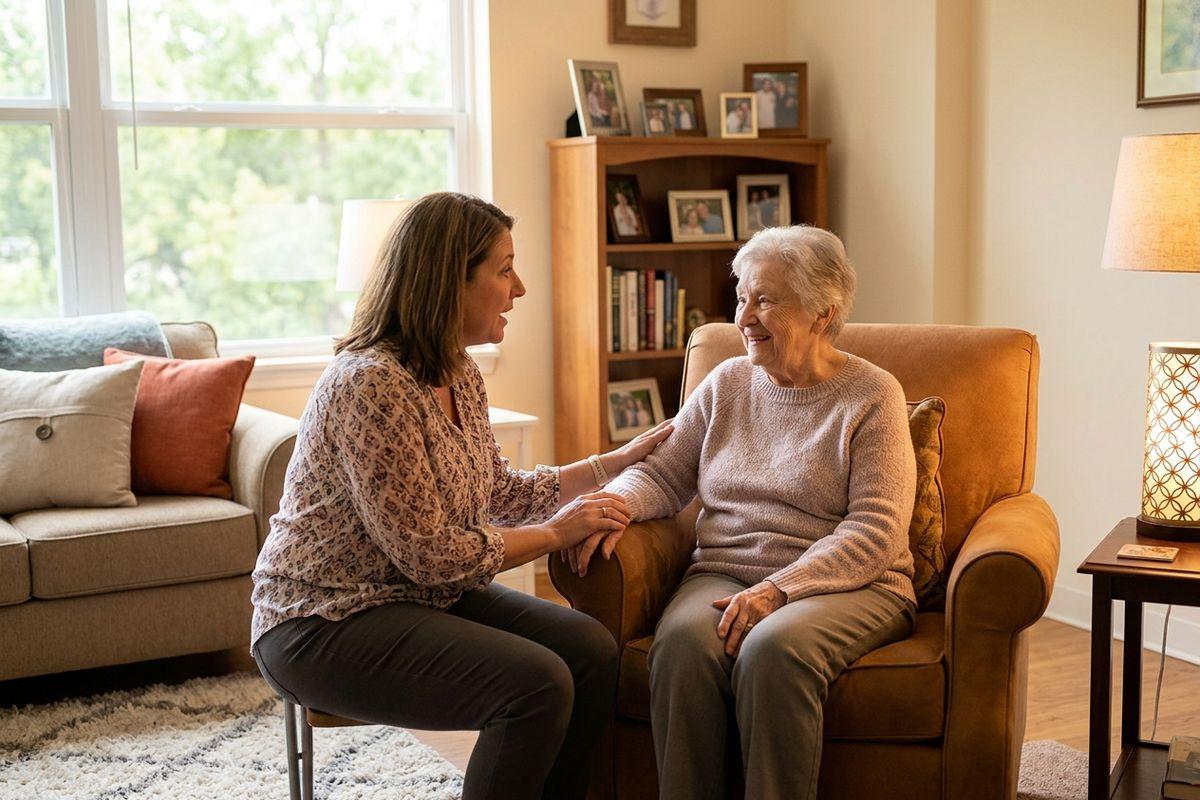
Visiting during calmer times of day, like mid-morning or after lunch, often leads to smoother, more joyful interactions. Sharing photos, a favorite playlist, or short handwritten notes with the care team gives them more ways to connect with your loved one between your visits.
During the first month, try to find a balance to give your loved one space to get comfortable while still showing that they remain a priority in your life. If you’re unsure, talk to your loved one’s caregivers. They’re there to support families too.
Support Yourself Through the Transition
Give yourself grace. This transition is emotional for you, too, and that’s completely valid. Leaning on the care team for regular updates and reassurance can ease a lot of uncertainty.
Connecting with other families who have walked this same path can also offer real comfort, and connecting with resources for families can be a helpful place to start.
How Memory Care Supports the Whole Family
Regular communication helps keep you informed and at ease, so you’re never left wondering how your loved one’s day went.
Personalized care plans are designed to adapt as needs shift over time, so the support your loved one receives always reflects where they are right now.
Memory Care at Juniper Village at South Hills
Juniper Village at South Hills roots memory care in each person’s life story. Our warm community tucked into Pittsburgh’s Greentree neighborhood is designed to feel like a place where your loved one is truly known.
From a well-being assessment on day one to engaging programs that spark purpose and engagement, every detail is shaped by who your loved one is.
If you’re ready to take the next step or simply want to ask a few questions, our team at Juniper Village is here for that conversation.