

Key Takeaways
- Personal care supports daily tasks and independence for those with physical needs
- Memory care adds specialized structure, safety, and trained support for those living with memory loss
- The right fit depends on your loved one’s cognitive changes and day-to-day needs
- A personalized well-being assessment can help guide the decision for families
- Both personal care and memory support can often be found in one welcoming community
Personal Care vs. Memory Care: What’s the Difference?
You’re trying to figure out the right kind of support for someone you love, and the options can feel overwhelming.
Juniper Village at South Hills offers both personal care and memory care under one roof, but they serve very different needs, and knowing the distinction can make all the difference.
The key difference comes down to cognitive support: personal care can support daily physical needs, while memory care provides a structured, specialized environment for those living with memory loss and related behavior changes.
Knowing which fits your loved one can make all the difference in how they feel every single day.
What Personal Care Actually Looks Like
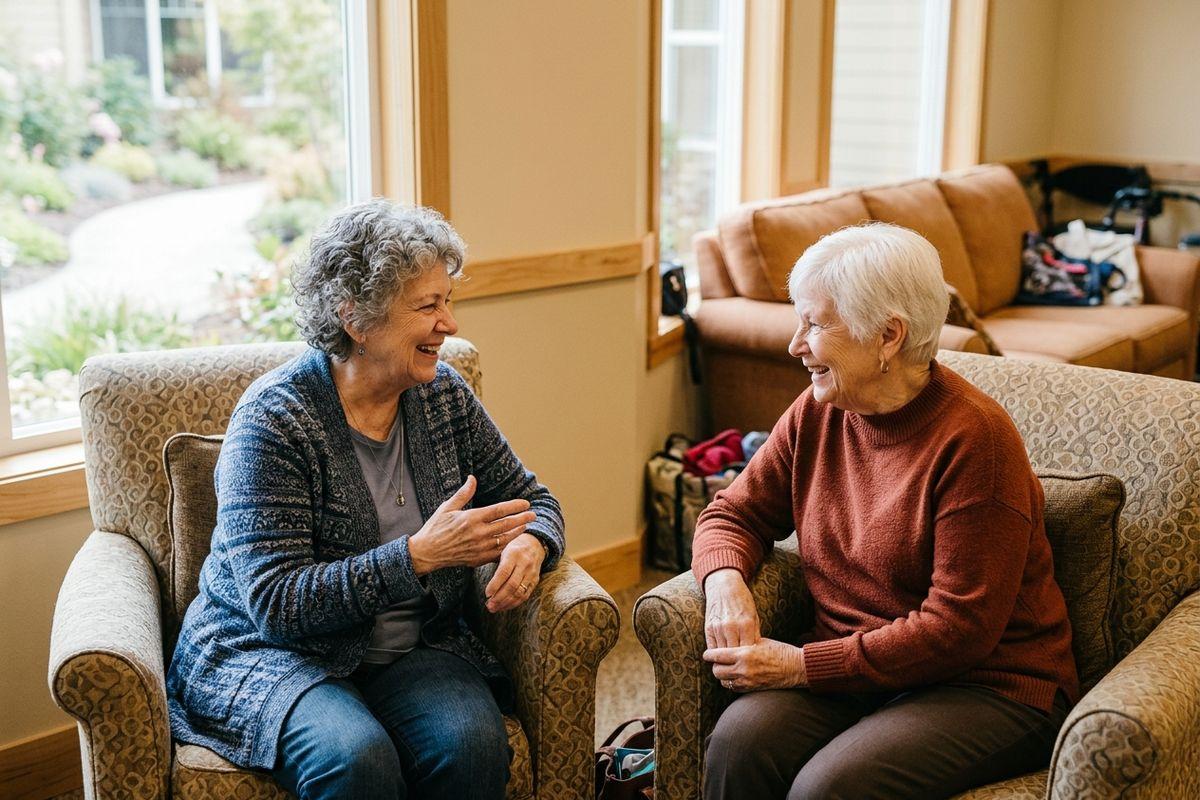
Personal care is a warm blend of support and independence.
Think of a friendly face helping with a morning routine, a gentle medication reminder, or a shared meal with neighbors who feel like friends. It’s the helping hand that can make each day flow a little more smoothly.
In personal care, your loved one still has plenty of room to be themselves. Staff support daily activities like dressing, bathing, and meals, while also keeping an eye on health and wellness throughout the day.
Social activities, group outings, and daily connection are all part of the daily rhythm here. It’s a lively neighborhood with a lifestyle tailored to individual needs.
Who Thrives in Personal Care?
Personal care can be a natural fit for someone who needs a bit of physical support but still enjoys making their own choices and setting their own pace.
If your loved one is sharp and social but finds certain daily tasks more challenging, this level of care can be just right.
The pace of a personal care lifestyle can benefit those without significant memory loss who want to stay active, engaged, and supported, all without giving up their sense of independence.
You can learn more about who qualifies for personal care to get a clearer picture of whether it’s the right match.
What Sets Memory Care Apart?
Memory care goes a step further. It’s thoughtfully designed for those living with Alzheimer’s disease or other forms of dementia, where memory loss shapes every part of the day.
The team here receives specialized training in dementia communication and behavior, so every interaction feels calm, familiar, and kind.
Structured routines are at the heart of memory care. Predictability can bring comfort. Knowing what comes next, even in small ways, can ease anxiety and help your loved one feel grounded throughout the day.
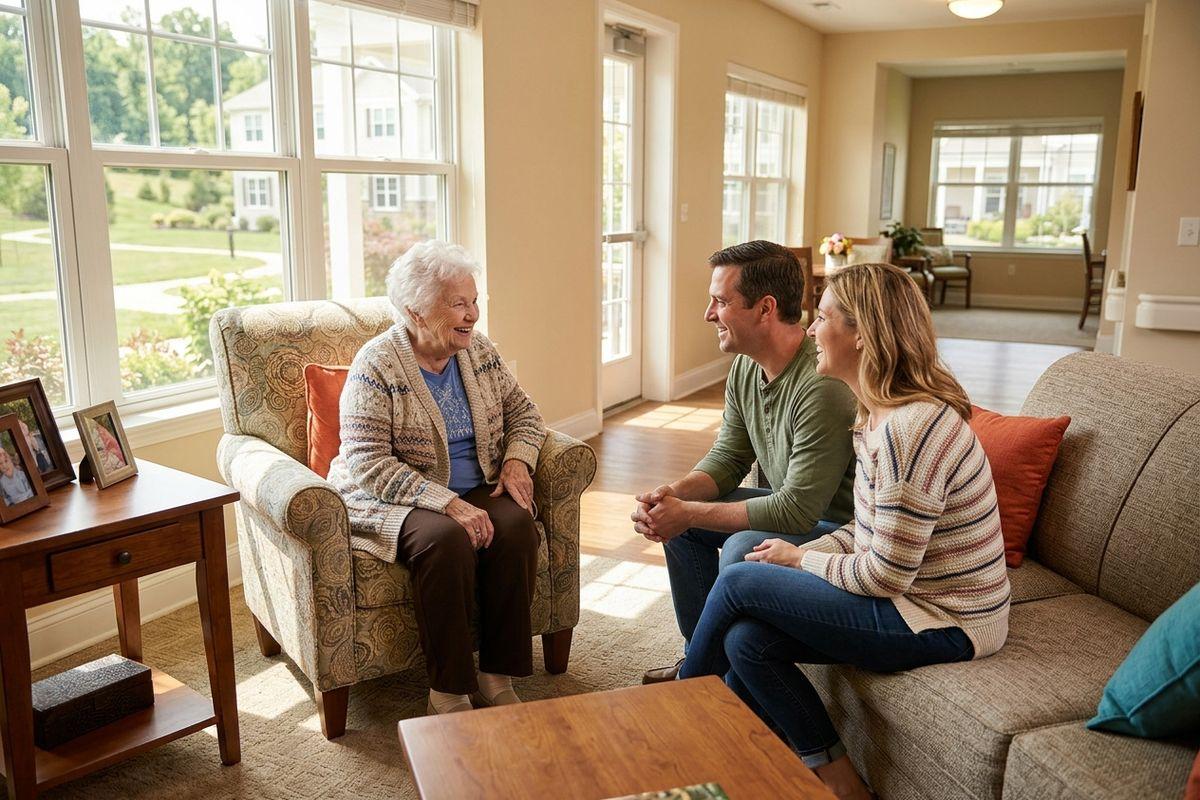
A Space Designed for Comfort and Safety
The layout of a memory care community is no accident.
Communal spaces are designed to help reduce confusion, with easy-to-navigate paths, natural light, and open areas that feel inviting rather than clinical. Everything is arranged to support a sense of calm and orientation.
Thoughtful layouts can give families peace of mind without feeling restrictive. Your loved one can move freely and comfortably within a space that truly works for them.
Take a closer look at Juniper’s memory care approach to celebrating connection, dignity, and purpose, and see how this comes to life in practice.
Daily Life in Memory Care
Days in memory care are full of purpose and gentle joy. Music therapy, sensory activities, and soft movement sessions are part of daily routines, each chosen to spark a smile or a memory.
These aren’t just activities, they’re meaningful moments tailored to each person’s history and preferences.
Every community member receives a personalized care plan, built around who they are, what they love, and how they move through their day.
The Key Differences Side by Side
Personal care can offer independence with a helping hand. Memory care adds layers of structure, safety, and specialized support.
The level of cognitive need shapes which path fits your loved one’s needs.
- Personal care: physical support, social connection, and daily independence
- Memory care: structured routines, secure spaces, and trained dementia support
Signs It May Be Time to Explore Memory Care
Sometimes the signs are gradual. You notice your loved one getting turned around in familiar places or feeling unsettled by changes in routine. Daily tasks that once felt simple now feel unmanageable or even unsafe at home.
You might notice withdrawal from social situations, increased agitation, or growing strain on the family caregiver. These are natural signals that a more structured and supportive environment can help your loved one feel more at ease.
Knowing when to move from personal care to memory care can help you feel more prepared for that next step.
Why Families Can Find Peace of Mind Here
Open, honest communication between staff and family members is a cornerstone of memory support. You stay in the loop, and your voice matters in shaping your loved one’s care.
Families are always welcome here, not just as visitors, but as part of the community. That ongoing connection keeps relationships strong and gives everyone involved a sense of reassurance and belonging.
Memory care communities can offer support for the whole family, with resources, communication tips, and a partnership focused on honoring your loved one.
Finding the Right Fit for Your Loved One
At Juniper Village at South Hills, we know every person’s journey looks different, and care should reflect that.
A personalized well-being assessment takes the guesswork out of the process, helping match your loved one with the right level of support from day one.
Both personal care and memory support are available in one warm, vibrant community, so that care can grow and adapt as your loved one’s needs change. Reach out today to learn how Juniper can help your family find the path forward.